

How to repair a PVC inflatable
Surface preparation, patch selection, adhesive application and pressure: a practical guide for PVC boats and inflatable structures.
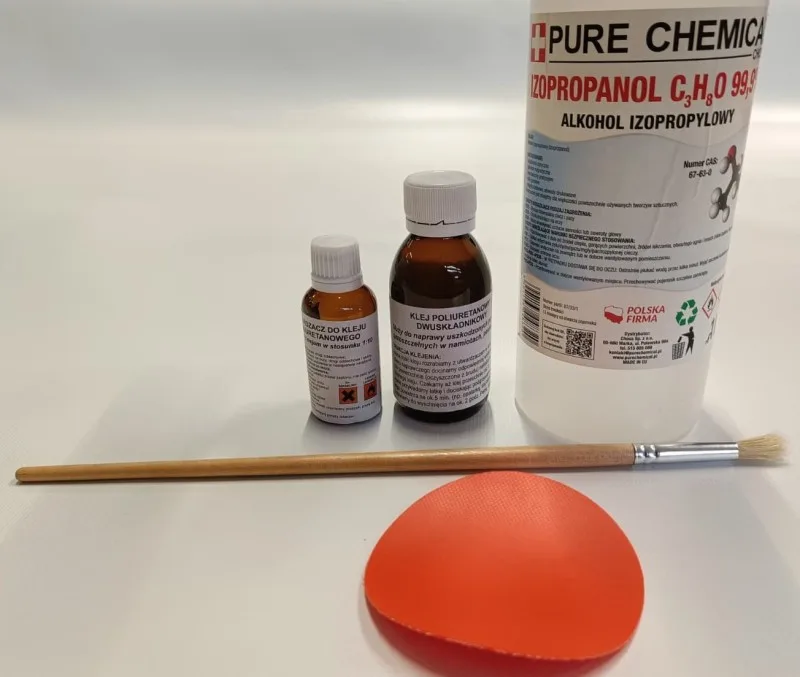
Before you start
Follow the adhesive and cleaner manufacturers’ instructions. Work with ventilation and keep away from ignition sources. Mixing ratios, drying times and any heat activation depend on the adhesive system.
1. Prepare the materials
- A PVC patch compatible with the product material.
- Suitable PVC adhesive, with hardener if required.
- A compatible surface cleaner, a lint-free cloth and scissors.
- A pressure roller or firm pressing tool.
2. Clean and dry
Remove dirt, moisture and dust. Clean the bonding area with the recommended product and allow it to dry completely. Grease and moisture weaken the bond.
3. Cut the patch
Allow the patch to extend at least 3–5 cm beyond the damage. Round its corners and mark its position.
4. Apply the adhesive
Mix the adhesive and hardener according to the manufacturer’s instructions. Apply a thin, even coat to the repair area and the patch. Follow the specified waiting and activation times. Only use heat if the adhesive instructions permit it, and never overheat the material.
5. Press the patch into place
Position the patch carefully. Press from the centre outwards with a roller to remove trapped air.
Allow the bond to cure
Do not inflate or load the product until the adhesive has cured according to its instructions. The WATS guide gives indicative periods of at least 24 hours before inflation and 48–72 hours for full strength; your adhesive system’s requirements take precedence.
When to contact service
Bonding works best on flat surfaces. Damage around structural welds or larger tears may need specialist repair. Contact WATS service before attempting an unsuitable repair.
Keep reading
 Guides and education
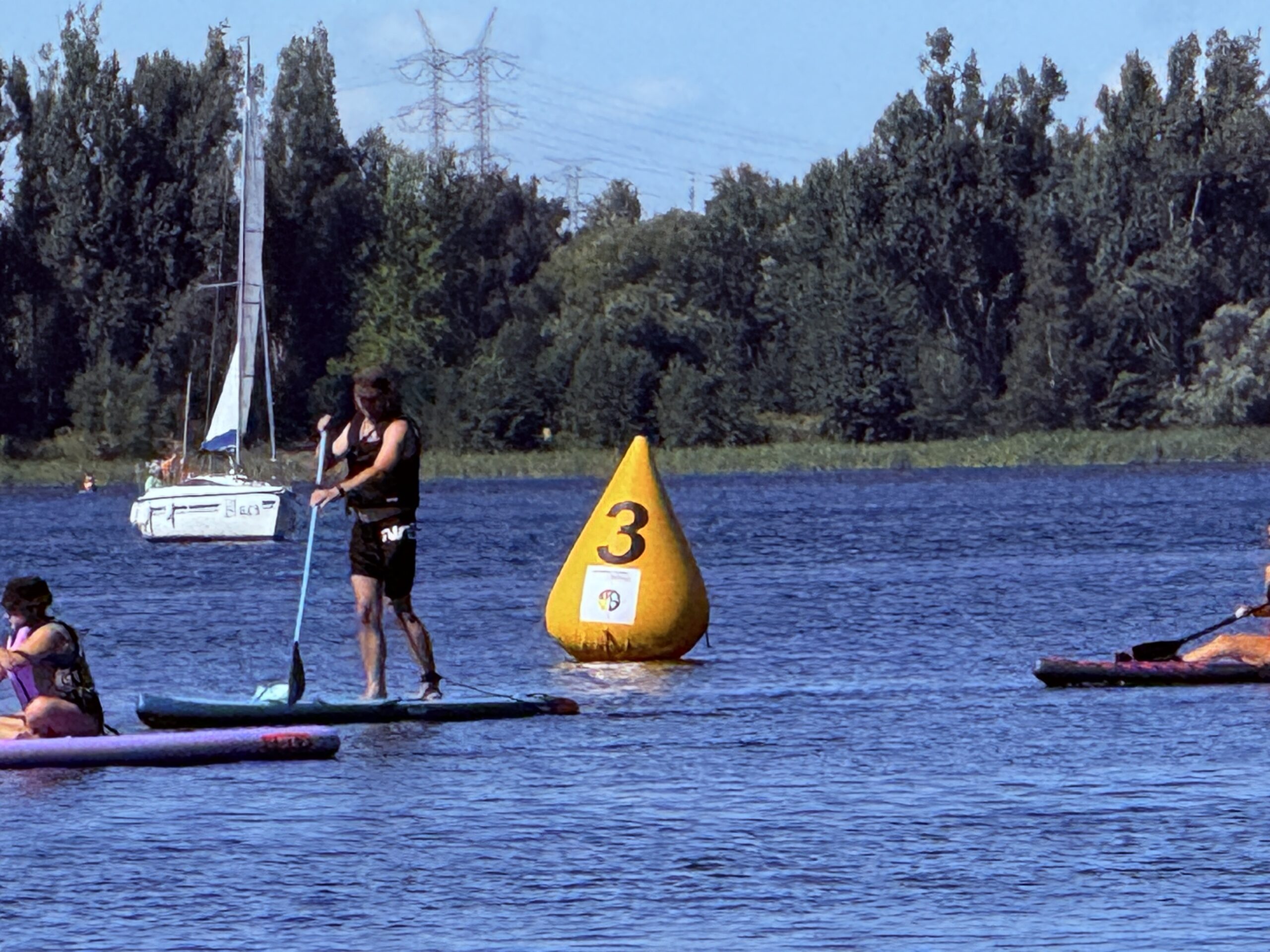
How to choose a sailing buoy: a practical guide
Training, racing or marking a water area? Prepare the information needed to choose a buoy for your application.
Read the story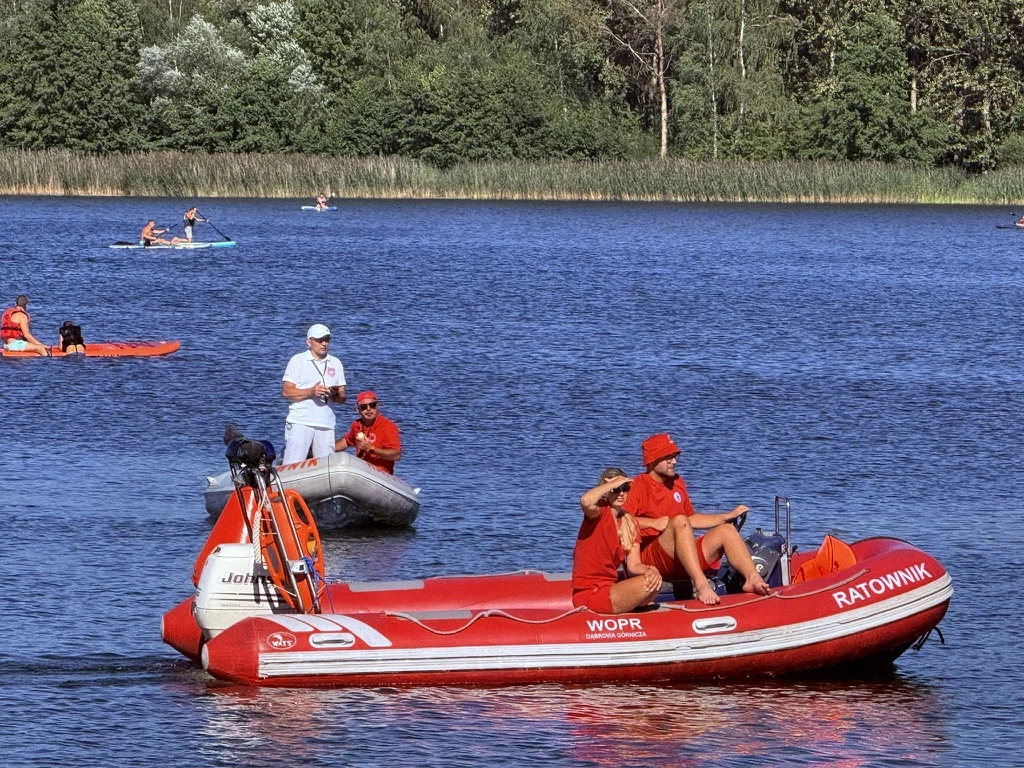 Trade fairs and events
Pogoria Open Water 2026 — WATS equipment on the water
Late summer at Lake Pogoria III: swimming, WOPR lifeguards and WATS equipment in action. See the RIB, floating arch and course buoys.
Read the story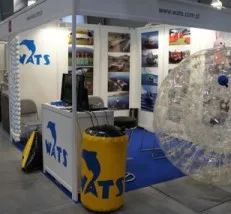 Trade fairs and events
WATS at 2011 event technology fair
Meetings with the concert and event industry in Warsaw. Back to the third edition of the technology and services fair for events.
Read the story